 🐔 Pet
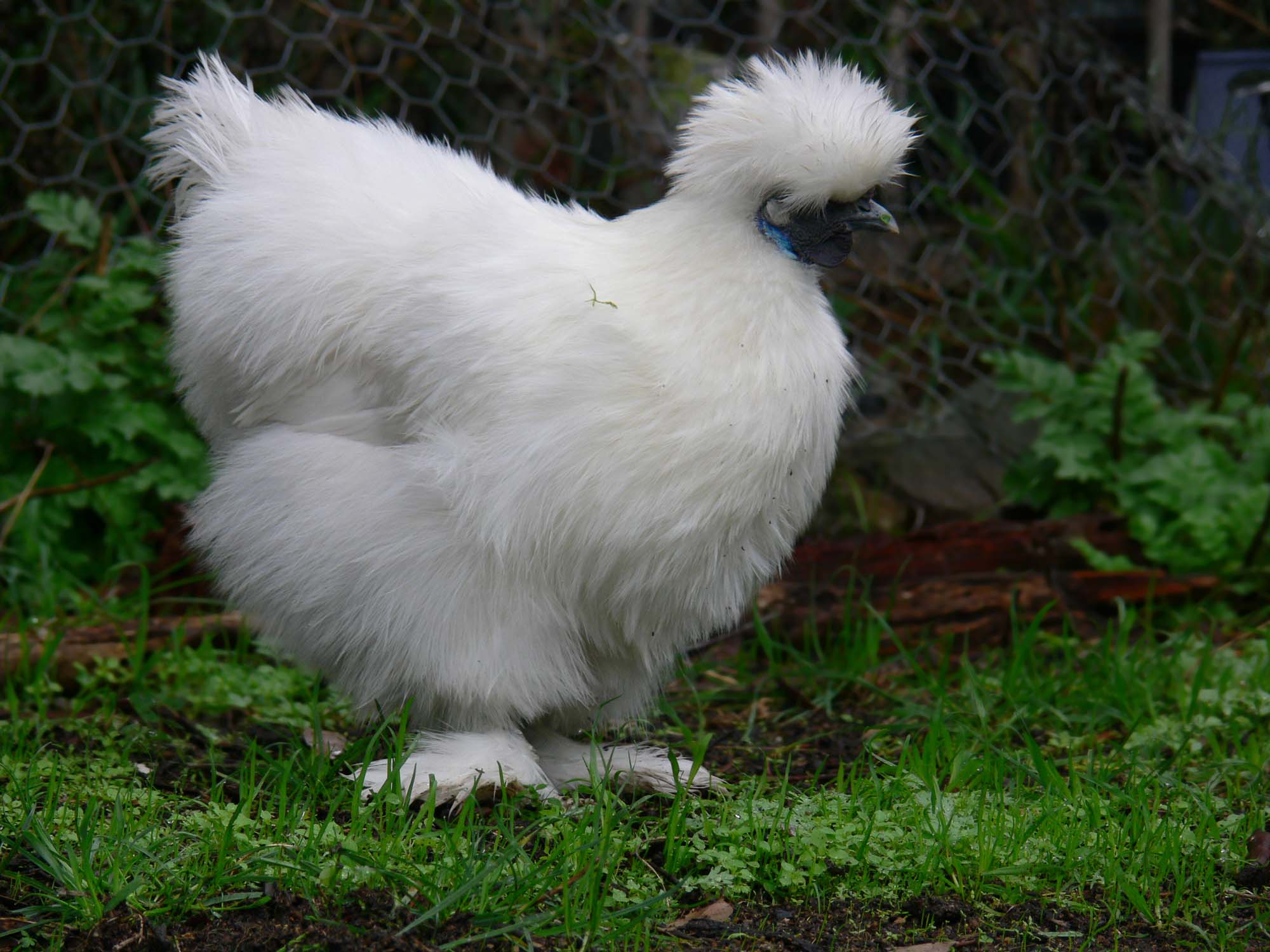
🐔 PetSilkie
China (1000+ years ago)
Silkies are tiny fluffy bantams who go broody at the slightest opportunity and make exceptional mothers — many flocks use them to hatch other breeds' eggs. They cannot fly, struggle in wet weather (their feathers don't shed water), and are at the bottom of every mixed-flock pecking order.
 🥚🍗 Dual
Rhode Island Red
Rhode Island, USA (1840s)
The workhorse of American backyard flocks. RIRs are cold-hardy, productive layers, and basically bulletproof — the breed every chicken-keeping book recommends to first-timers. They can be pushy with smaller breeds, so think twice before mixing them with Silkies or Polish.
 🥚🍗 Dual
Buff Orpington
Kent, England (1880s)
Big fluffy lap-chickens. Buff Orpingtons are the breed people imagine when they imagine a friendly backyard chicken — they'll follow you around the yard and tolerate being picked up by kids. The downside of all that fluff: heat stress in summer.
 🥚🍗 Dual
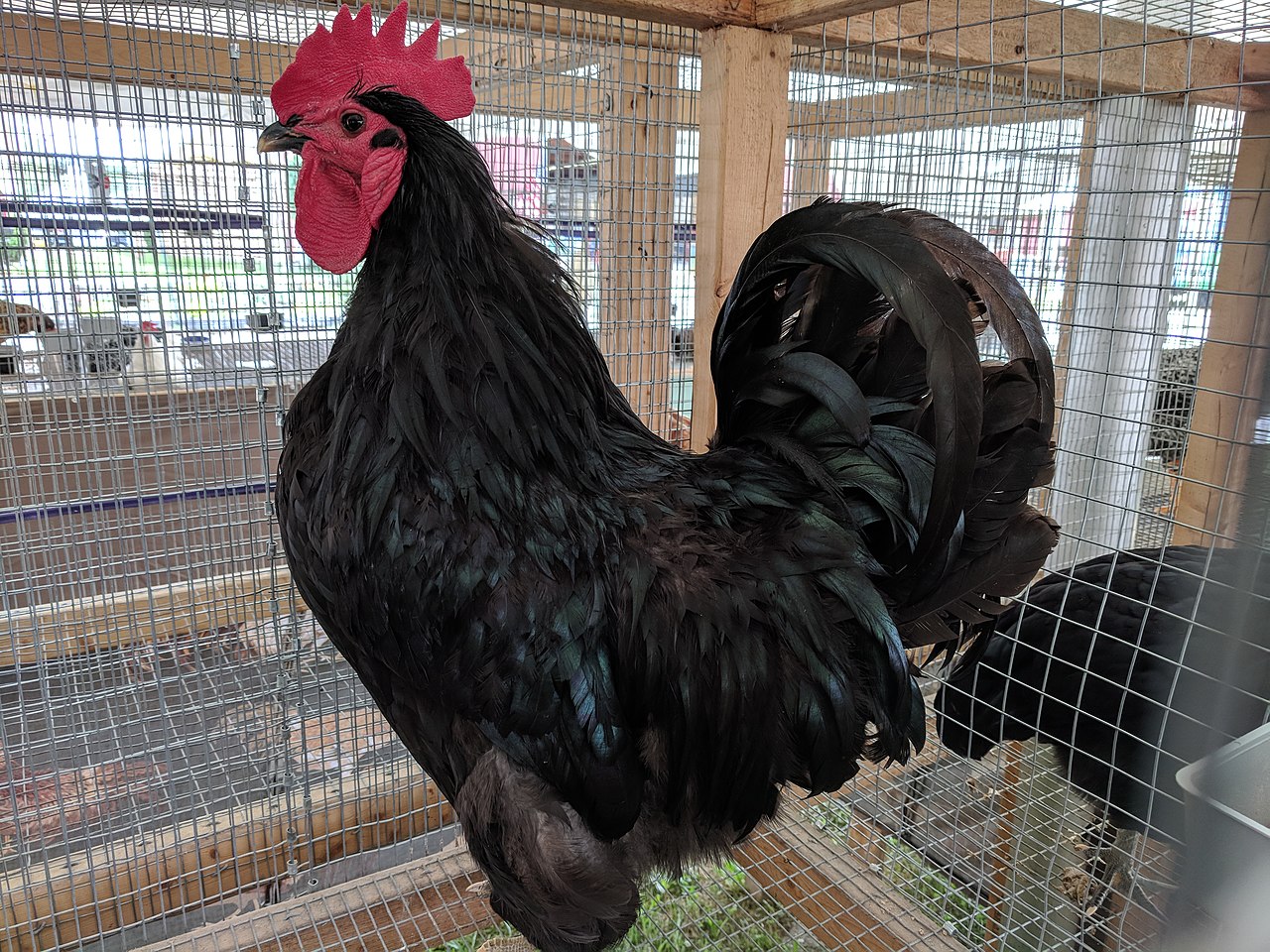
Jersey Giant
New Jersey, USA (1880s)
The largest standard-breed chicken in the US. Roosters can hit 15 lbs. Despite the size they're calm and gentle, but they need real space and reinforced everything — the roosts will bend and the ramps will splinter under regular chicken hardware.
 🥚 Eggs
White Leghorn
Tuscany, Italy (1820s)
The breed behind every commercial white egg sold in the US. Leghorns are slim, athletic, prolific layers who handle heat brilliantly but dislike confinement and can fly over 6-foot fences. Great foragers; not lap chickens.
 🥚🍗 Dual
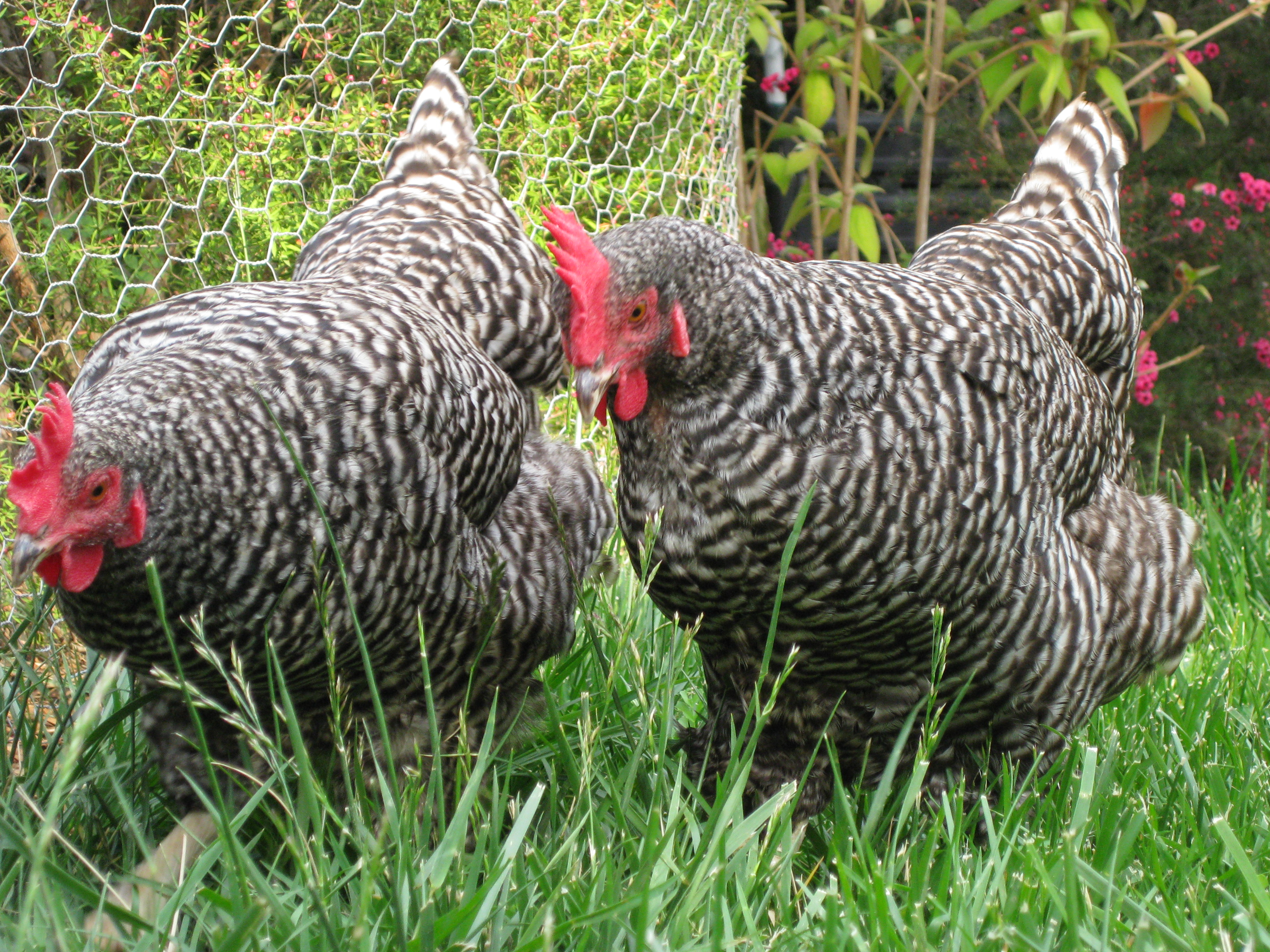
Barred Plymouth Rock
Massachusetts, USA (1860s)
A classic American backyard breed. Barred Rocks are reliable layers, calm enough for kids, cold-hardy, and good free-rangers. Their black-and-white striping is striking and makes them easy to identify from a distance.
 🥚🍗 Dual
Silver Laced Wyandotte
New York, USA (1870s)
Beautiful breed with an intricate feather pattern that looks hand-painted. Their rose comb (low-profile, not the tall single comb) makes them exceptional in cold climates — much less prone to frostbite than Leghorns or RIRs.
 🥚🍗 Dual
Black Australorp
Australia (1920s — derived from Orpington)
World-record laying breed — one Australorp hen famously laid 364 eggs in 365 days. Calm, quiet temperament makes them a favorite for suburban backyards. The black feathers shimmer green-purple in sunlight, more striking in person than in photos.
 🥚🍗 Dual
Light Brahma
USA via India/China (1840s)
Massive feather-footed birds — the "King of Chickens" in Victorian England. Extremely gentle despite their size, but the feathered feet mean they need a clean dry coop and run (mud cakes onto the leg feathers and causes problems).
 🥚 Eggs
Easter Egger
USA (mixed-breed Ameraucana derivative)
Not a true breed but a mutt carrying the blue-egg gene from Ameraucanas/Araucanas. Each Easter Egger lays one specific color (blue, green, pink, or olive) but you don't know which until she starts laying. Wildly popular for the colored egg basket.
 🥚 Eggs
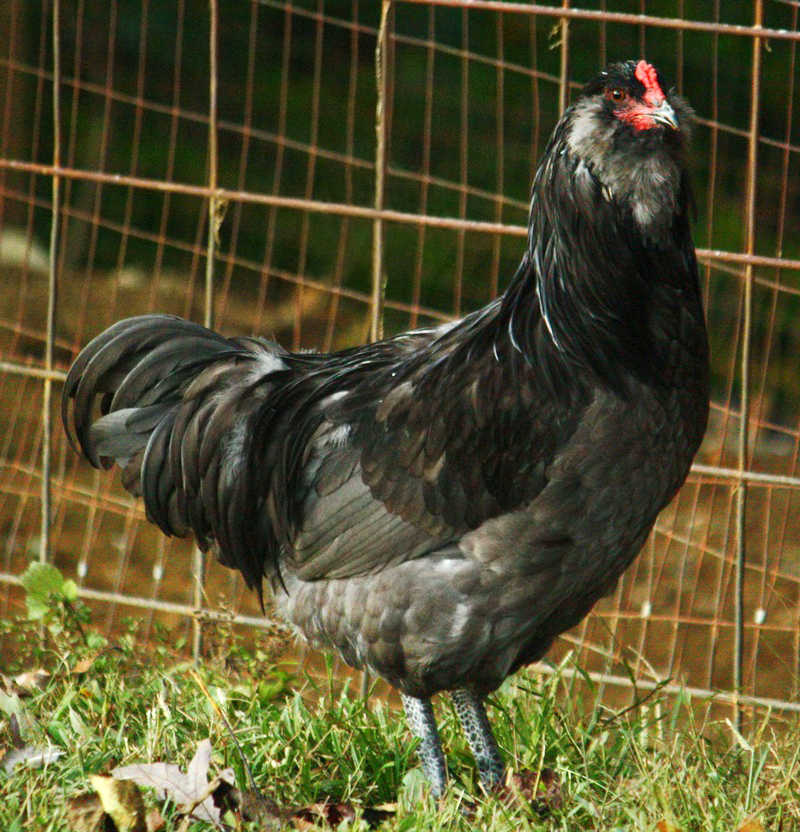
Ameraucana
USA (1970s, from South American Araucana)
The "real" blue-egg breed (vs Easter Eggers). Lays sky-blue eggs every time. Hard to find as true Ameraucanas — most hatchery "Ameraucanas" are actually Easter Eggers. Buy from APA-approved breeders if you want the real thing.
 🐔 Pet
🐔 PetCochin
China (popularized in Victorian England)
Cochins look like furry beach balls. They're extremely gentle, get fat easily, lay mediocre amounts of eggs, but go broody at every opportunity and make wonderful mothers — often used to hatch other breeds' eggs alongside Silkies.
 🥚🍗 Dual
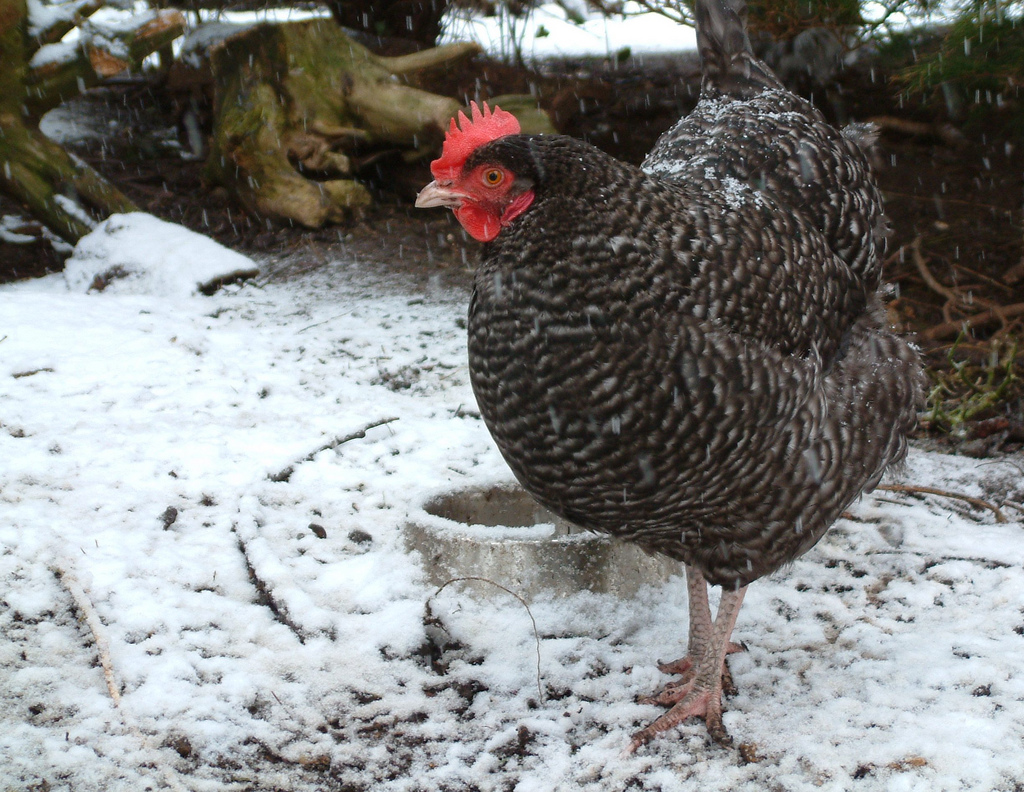
Speckled Sussex
Sussex, England (Roman times — one of oldest breeds)
A 2,000-year-old English breed. Speckled Sussex hens follow you around the yard demanding chat — extremely outgoing. Their speckling pattern grows more pronounced with each molt, so older birds look completely different from when they were pullets.
 🥚 Eggs
Black Copper Marans
Marans, France (1900s)
Famous for chocolate-brown eggs — the darkest of any breed. Egg color is rated on a 1–9 scale; show-quality Marans lay 7+ ("nearly black"). Color is darkest on the first eggs of the season and fades as laying continues.
 ✨ Show
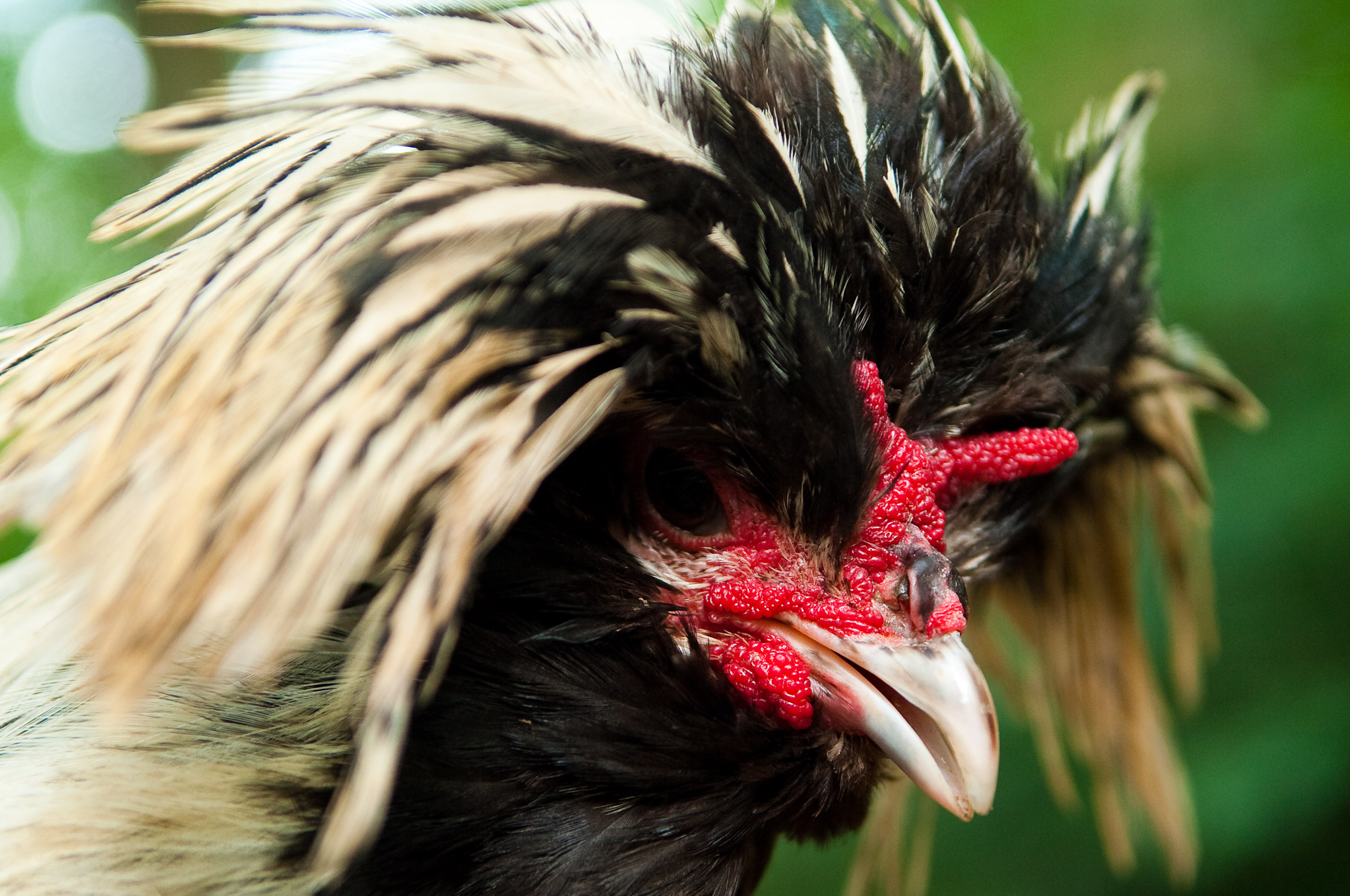
Polish (Crested)
Probably Netherlands (despite the name)
Ornamental show breed with a giant feathered crest. The crest blocks their vision, making them easily startled and vulnerable to bullying. They're wonderful conversation pieces and reasonable layers, but not a "first chicken."
 ✨ Show
Sebright
England (1810s, by Sir John Sebright)
A "true bantam" (no large counterpart). Sebrights are show birds — every feather has crisp black lacing, the result of 200 years of selective breeding. Hard to keep alive (low fertility, fragile chicks) but stunning and historically significant.
 🍗 Meat
Cornish Cross
USA (1950s — commercial hybrid)
The breed behind virtually every chicken sold in US grocery stores. Cornish Cross hit slaughter weight (6+ lbs) in 6–8 weeks — incredible feed conversion. They're not pets and aren't designed to live long; cardiovascular problems set in around week 10.
 🥚 Eggs
ISA Brown
France (1978, commercial hybrid)
Hybrid commercial layer — the breed behind most "rescue" hens from cage operations. ISA Browns are egg machines: 300+ eggs in their first year. The catch is they burn out fast — production drops sharply after year 2 and they're prone to reproductive cancers.
How to pick the right breed
For first-time keepers:
Australorp, Buff Orpington, or Plymouth Rock. All beginner-friendly, cold-hardy, calm, and lay 200+ eggs/year.
For colored eggs:
Easter Eggers (cheap, mixed colors), Ameraucana (true blue), or Marans (chocolate). Mix all three for a rainbow basket.
For hot climates:
Leghorn, Easter Egger, or Sussex. Avoid Cochins, Brahmas, and Orpingtons — too much fluff.
For cold climates:
Wyandotte, Brahma, or Australorp. Rose/pea combs and dense feathering shrug off subzero temps.
For families with kids:
Silkie, Cochin, Buff Orpington, or Speckled Sussex — gentle enough to handle, calm in laps.
For maximum egg production:
ISA Brown (340/yr) or Leghorn (320/yr). Trade-off: shorter laying lifespan and not pet-friendly.